How Vampires Became Sexy
Updated: 5 hours ago
The Bothered Blog by Haven Valentin
October 2026
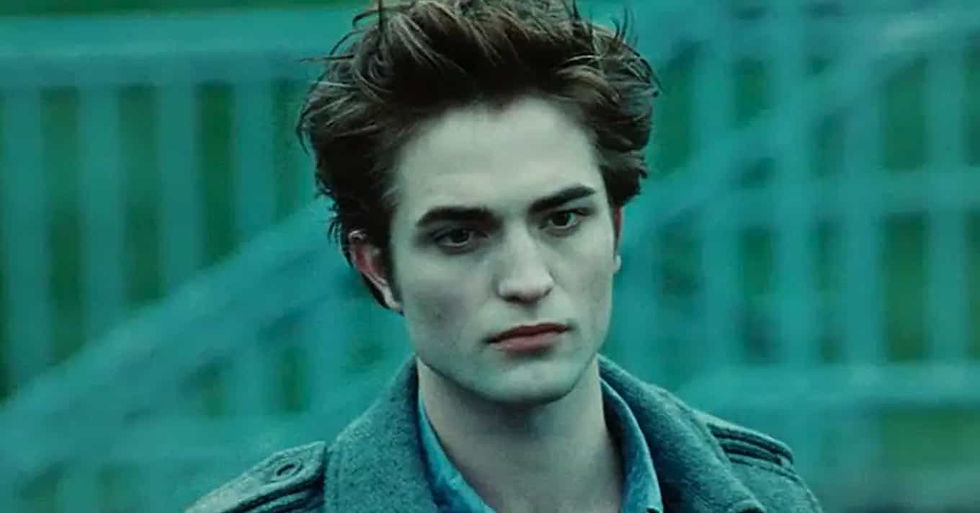
For years now, vampires have enticed us, seduced us and enthralled us. They are powerful historical symbols of fear and intrigue; creatures of the night that we ought to recoil from, but are instead continually drawn to. We’ve seen vampires written as deplorable villains, and we’ve also seen suave vampires; charming vampires. We love vampires.
Why?
To understand the darkly fascinating conundrum that is the vampire, we must look to the very beginning.
The Birth of the Literary Vampire
All around the world, dating back thousands of years, there have been tales of vampire-like beings in folklore. Examples include the Albanian dhampir; the Romanian Strigòi; the Persian Palis; the Chinese jiāngshī. But three notable Gothic tales from the 19th century cemented the concept of the vampire as we know it today.
The Vampyre (1819) – John Polidori
This short story originated from a horror-writing challenge between Polidori, Lord Byron, and Percy and Mary Shelley—who wrote the novel Frankenstein as a part of that same challenge. The Vampyre has been credited with drawing together many folkloric images of the vampire into one recognizable canon. Scholars of the Gothic see an imprint of Byron in most subsequent vampire stories: dark-haired, rakish, and cloaked in scandal, he was described by his lover Caroline Lamb as, “mad, bad and dangerous to know”—and the same can very much be said of the archetypal vampire.
Carmilla (1872) – Sheridan le Fanu
This Gothic novella tells the story of Laura, a young woman living in a secluded Austrian castle, who is pursued by a possessive female vampire. The tale explores themes of corruption, sexual deviance and power, and was perhaps intended to inspire fear in women regarding their own sexual potential—although it has, in recent years, been reclaimed by some lesbian readers, who view it as an early work of queer fiction. One particularly evocative quote which highlights this reads, “...with gloating eyes she drew me to her, and her hot lips travelled along my cheek in kisses; and she would whisper, almost in sobs, “You are mine, you shall be mine, and you and I are one for ever.””
The entwining of vampirism and sexuality within the text—while depicted as a source of horror, with Carmilla indisputably the villain of the tale—is nonetheless the beginning of a pattern that ends with vampire romance.
Dracula (1897) – Bram Stoker
The most famous of these three tales, Dracula took the vampire story to new heights of global recognition. Much like Carmilla, there is a sexual undercharge to the tale, though Stoker’s vision encompasses other themes too: fear of the foreigner, fear of contagion, and fear of death. A common theme in Victorian vampire stories is the vampire as a stand-in for existing societal fears of the time.
Piece by piece, these vampire stories built up the concept of the modern vampire that we know and recognize today. When asked to list a vampire’s notable traits, a layperson now might tell you that they:
Drink blood, and have fangs
Are nocturnal
Lack a reflection
Live for thousands of years
Exhibit superhuman speed and strength
Appear deathly, with pallid, cold skin
Can be hurt by religious emblems and garlic
Can be killed by beheading or a stake through the heart.
Since the 19th century, books and films have explored this vampire lore in all kinds of innovative new ways—using, subverting and discarding the classic tropes as they see fit. And as the vampire has evolved, an interesting paradigm shift has taken place. No longer are vampires exclusively a metaphor for societal terrors (though there are still plenty of excellent modern stories that use vampires this way—have you seen Sinners?)
The vampire has become increasingly, unabashedly sexy. And we, the readers, aren’t afraid to let ourselves enjoy that.
From Nightmare to Wet Dream: The Modern Vampire
The evolution of the vampire from villain to love interest happened gradually, and can’t be strictly attributed to any one story. There are, however, plenty of notable vampire stories that deserve partial credit.
First, I must talk about Anne Rice’s Interview with the Vampire (1976), which I’ve written about in more depth for Bothered Stories previously. This monumental book (and all its sequels) shifted the vampire from distant antagonist to narrator, bringing readers up close and personal in a way that was deeply innovative. While the vampires of Rice’s Vampire Chronicles are still bloodthirsty, their moral quandaries are painted as complex, nuanced and emotive, paving the way for a more sympathetic reception. (It helps that, in the 1994 movie, they were played by Tom Cruise and Brad Pitt.)
The nineties are famous for giving us Buffy the Vampire Slayer (1997-2003): a playful, punchy young-adult-oriented urban-fantasy show which similarly presented its audience with morally-ambiguous and complicated vampires (portrayed, yet again, by very handsome actors). Buffy—far from the fainting ingénues of vampire stories past, she is the leading action hero of the series, uniquely positioned to stand up to vampires —has two significant vampire love interests over the course of the show. Their romance is framed as a tragic star-crossed affair, with some enemies-to-lovers flavoring, due to her role as the Slayer. One of these vampire love interests—born from the angsty blueprint of Anne Rice’s Louis de Pointe du Lac—even got his own spinoff show, Angel (1999-2004), which according to Rotten Tomatoes’s critics’ consensus “builds on the solid sex appeal of its lead, forging an unexpectedly worthy spinoff that draws viewers in with character depth, clever humor, and a suitably dark and brooding backdrop.”
Following on from Buffy-mania, in the early ‘oos, there was an explosion of vampire media. True Blood (2008-2014) and The Vampire Diaries (2009-2017) were two major television series airing at the time. HBO’s True Blood was particularly noteworthy in putting sex with vampires on the screen, graphic, messy, and sensual. Vampire blood was an aphrodisiac drug, and “fangbangers” were humans who sought vampires out for sex.
But the most remarkable cultural phenomenon is Twilight. Stephenie Meyer’s vampire novel series sparked a renewed passion for all things vampire, with an explicit focus on romance and sexual obsession. One of the most tantalizing aspects of the vampire which Twilight honed in on is the push-and-pull of temptation and denial, in the form of Edward’s yearning to drink Bella’s blood and his reluctance to harm her: this push-and-pull is a cornerstone of the erotic. Spinoffs abounded, four books became five movies, and the dark romance literary genre was born. (If you want an extra-extra-deep dive into the Twilight Saga and its cultural context, I highly recommend this video essay by ContraPoints.) Whether you loved Twilight or hated it, there’s no denying its seismic impact on the genre.
The love of vampire fiction continued into the ‘20s, with S.T. Gibson’s viral pandemic hit A Dowry of Blood breathing yet more dark, sensual life into the tale of Dracula. As of my writing, Dowry has a 3.91/5 rating on Goodreads, with over 100,000 ratings and over 20,000 reviews. The tale focuses on Dracula’s three “brides”—their erotic entanglement with the powerful vampire and their eventual bid to escape his clutches.
Nowadays, vampire romance is an entire subgenre of the wider romance category. You can read about vampires in romantasy; in urban fantasy; in slice-of-life contemporary romance; in explicit open-door smut. (You can also read a handful of spicy vampire stories here on Bothered). There are more writers than ever working in the space.
We may have had vampires for centuries now, but we haven’t tired of them yet. And I’m not sure we ever will.
---
About the Author
Haven Valentin (she/her/it/its) is a queer horror-erotica writer and lover of all things complex, Gothic and kinky. Her writing has previously appeared in Wet Screams: A Monsterfucker Anthology (Little Ghosts Press, 2025). She is currently working on her first novel.


Comments